Street Photography Documentary: Real Life in Every Frame
- Jan 22
- 14 min read

Street Photography Documentary: Turning Days' Life Into Story
Street Photography Documentary is where everyday city life becomes a true narrative, not a posed highlight. Instead of directing people, you observe what already exists: the pause before a handshake, the rhythm of commuters, the glow of storefronts on wet pavement, the quiet patience of a vendor counting change. The street becomes a living archive of culture, class, and routine, and the camera becomes a tool for witnessing. This approach sits between classic street photography and longer documentary practice: it keeps spontaneity, but it borrows documentary values like clarity, honesty, and responsibility. Respect is the foundation. Because your subjects are real strangers, your choices carry ethical weight—how close you work, what you include, what you blur, and how you edit the story afterward. A wide frame can reveal systems and environment; a tight frame can reveal emotion, but it can also feel invasive if it strips away dignity. Street Photography Documentary therefore asks for a steady hand and a thoughtful mind: patience to wait for meaning, courage to shoot without harm, and discipline to edit without exaggeration. In a world of endless scrolling, audiences can sense when an image is only surface-level. What holds attention is narrative truth: photographs that feel grounded, consistent, and honest over time. When done well, this genre preserves details history often forgets—how neighborhoods shift, how public space shapes behavior, and how ordinary routines carry quiet meaning. Real life is not always dramatic, but it is always rich, and every frame can carry a piece of that reality for viewers. In the sections ahead, you will learn how documentary street work differs from candid shooting, how to build a cohesive series, and how to stay ethical while photographing fast-moving public life. Whether you shoot for personal projects or client storytelling, the method remains: observe, connect, refine.
Street vs Documentary: How to Shoot With Intention and Context
Street photography is often described as candid life in public, while documentary photography is purposeful storytelling about reality. Street Photography Documentary blends both: it keeps the surprise of the street, but it works with intention, continuity, and context. That difference matters because a single witty moment can entertain, yet a documentary street series can explain. To move from snapshots to narrative, start with a question you can actually observe: What does morning look like in this neighborhood? How do people wait, work, commute, celebrate, or rest? Then build a simple visual structure. Capture establishing frames that show place, medium frames that show interaction, close details that hint at culture, and transitions that connect scenes. Think in sequences: entry, tension, release, and the quiet after. This is how Street Photography Documentary turns random encounters into a story viewers can follow. Technique supports the story, but it should never become the story. Choose settings that let you respond quickly, and work the light you have without turning hardship into theater. If you photograph strangers up close, do it with care: look for dignity first, then design. When a situation feels sensitive, step back, wait, or put the camera down; ethical judgment is part of your skill set. Editing is where your documentary voice becomes visible. After a shoot, review images in batches and look for repeating themes—gestures, boundaries, signage, tools, shadows, or expressions. Select frames that add information, not duplicates, and note what each image contributes. If a photograph is powerful but misleading without context, pair it with a wider frame or a clarifying caption. Over time, this discipline creates a consistent body of work that feels trustworthy, and trust is the real aesthetic advantage in documentary street storytelling. The result is a visual record that audiences remember, share, and believe today.
From Decisive Moments to Series: Building a Real Documentary Narrative
One of the biggest misconceptions is that Street Photography Documentary is simply “street photography with a serious tone.” In reality, the difference is structural. Traditional street photography often thrives on the single decisive moment—one frame that stands alone through timing, irony, or visual surprise. Documentary work, even when made on the street, is usually built as a sequence that explains something larger than one moment: a neighborhood changing, a community’s rituals, a city’s working rhythm, or the emotional texture of public life. Street Photography Documentary sits in the middle. It may still produce iconic single images, but the photographer is thinking like a storyteller: What is the setting? Who are the recurring characters? What patterns repeat? What details prove the environment is real? When you shoot with that mindset, you stop hunting only for “interesting faces” and begin photographing relationships—between people and their space, between behavior and architecture, between mood and light.
This storytelling approach also changes how you read a scene. Instead of chasing chaos, you look for meaning. A bus stop can become a stage for patience, frustration, kindness, and exhaustion. A market can reveal culture through tools, prices, signage, uniforms, and gestures. Even the “empty” frames matter: closed shutters, worn stairs, peeling posters, quiet alleyways. These images act like paragraphs between action scenes, and they give your series breathing room. In Street Photography Documentary, consistency is often more powerful than spectacle. A cohesive set—shot over multiple days, or across one long walk, can feel more truthful than ten unrelated “bangers” collected randomly.
To strengthen that truth, think about context every time you press the shutter. Ask yourself: if this photograph were separated from your intention and posted alone, would it still be fair to the subject? Would it tell a misleading story? If the answer is yes, your next frame should correct that—widen out, include the environment, or add a transition image that clarifies what’s happening. Over time, this becomes your documentary voice: a style that doesn’t rely on shock, but on understanding. And that is the hallmark of Street Photography Documentary—real life, shown with narrative responsibility.

Ethics on the Street: Consent, Dignity, and Responsible Storytelling
Ethics is not a “separate topic” in Street Photography Documentary—it is the technique. Because you’re photographing real people in real places, your choices can either protect dignity or exploit it. Start by defining your personal boundaries before you shoot: what you will never photograph, what you will only photograph with permission, and what you will photograph only from a respectful distance. Sensitive moments—grief, medical emergencies, public conflict, poverty, homelessness, minors—require extra care. The camera can turn vulnerability into content in seconds, and a documentary mindset means you slow down enough to ask whether the image helps anyone beyond your portfolio. When in doubt, step back, wait, or don’t take the photo. Your restraint will strengthen your work long-term.
Practical ethics also includes how you work with strangers. Some documentary street photographers prefer a discreet, observational approach; others are more open, building quick rapport and sometimes asking for a portrait afterward. Both can be valid if the intention stays honest and the subject isn’t deceived. If someone objects, respect it immediately. If someone asks why you’re shooting, answer clearly and calmly. If your project has a theme, say it in one sentence. Transparency builds trust—and trust often leads to better stories, because people relax when they feel respected.
From a craft perspective, set yourself up to be responsive without being aggressive. Choose a simple, quiet setup you can operate confidently—because hesitation can make you intrusive. Work light and move with intention. Use composition to protect people when needed: silhouettes, partial frames, reflections, or depth-of-field choices that reduce identification while preserving mood. Captions matter too. When you publish a Street Photography Documentary, avoid captions that mock, stereotype, or flatten the subject into a punchline. If the story is about a place, focus on the place. If it’s about a social issue, be careful not to “diagnose” a stranger’s life from one moment.
Finally, edit like an ethicist. Remove frames that feel invasive, even if they are visually strong. Choose images that show humanity, not humiliation. Your goal is simple: create documentary street stories that audiences can believe—and that the people in your photographs would recognize as fair.
Purpose-Driven Projects: When the Street Becomes a Human Story
The most memorable Street Photography Documentary projects usually share one thing: they are driven by purpose, not by luck. Purpose shapes what you notice and what you return to. It’s the difference between collecting random street moments and building a visual story that could live as a photo essay, an exhibition, or an impact narrative. Many contemporary documentary storytellers develop this discipline through long-term work with communities—especially in humanitarian and social contexts where the goal is not aesthetics, but understanding. When you’ve produced multimedia projects for international NGOs across different regions, you learn quickly that “good images” are not enough. You need coherent storytelling: an opening that sets place and stakes, portraits that introduce people with dignity, details that prove reality, and transitions that guide the viewer gently through complex situations. Street Photography Documentary, at its best, uses the street as a truthful stage for that kind of narrative structure.
This experience also teaches a crucial skill: photographing what is emotionally true, not just visually dramatic. Street life includes joy, resilience, fatigue, routine, and quiet tension, often within the same block. A documentary approach trains you to read these layers. You look for body language, distance between people, the way hands interact with objects, and the visual signs of culture—posters, uniforms, tools, religious symbols, and everyday architecture. Over time, you start capturing the psychological side of a scene: the feeling of waiting, the uncertainty in movement, the comfort of community, the isolation inside a crowd. That sensitivity is not accidental. It comes from years of learning how social and environmental issues affect real human lives—whether in crowded city streets or in communities far from the camera’s usual comfort zone. Street Photography Documentary becomes stronger when you carry that same respect into urban public spaces: no stereotyping, no “poverty tourism,” no turning people into symbols without context.
To build a series with real weight, define a theme that can be observed repeatedly. Examples include: “work before sunrise,” “public transport as a shared ritual,” “small commerce and survival,” “neighbors and micro-communities,” or “city borders and invisible lines.” Then commit to a timeline. Photograph the same area over multiple days or weeks, and let the story reveal itself through patterns. This is how you move from isolated frames to a documentary narrative that feels honest. The street will always offer moments; your job is to turn moments into meaning.
Modern Storytelling: Combining Photo, Video, and Design Without Losing Truth
In modern storytelling, the street doesn’t live only in photographs—it travels through video clips, social carousels, press visuals, and designed narratives. That is why many photographers working in Street Photography Documentary expand their skill set beyond stills. When you can shoot video and understand graphic design, you can protect the story across formats: a short documentary reel that sets the tone, a photo essay that builds context, and a consistent visual identity that helps audiences recognize the narrative wherever it appears. This multi-format mindset is not about doing “more content.” It is about making the story clearer. A single street image can be powerful, but a sequence with a 30-second ambient video, a clean title card, and thoughtful captions can deepen understanding without over-explaining. The documentary goal remains the same: real life in every frame—presented responsibly.
Professional credibility also matters in street documentary work, especially when the project involves high-visibility environments. If a photographer is trusted to document major public events at an institutional level—such as large global gatherings hosted in the UAE—that speaks to reliability, discretion, and delivery under pressure. Street Photography Documentary often happens in unpredictable conditions: crowds, changing light, security boundaries, and moments that unfold once and disappear. A photographer who has documented major events knows how to move efficiently, respect protocols, and still produce images with human warmth. They can work quickly without becoming careless. That balance—speed with responsibility—is rare, and it’s essential when the street becomes politically or socially sensitive.
Recognition and publication reinforce this trust. When documentary images appear in major editorial contexts, it signals that the work is not only visually strong but also contextually credible. Editors choose photographers who can tell stories without misleading their audience. That editorial discipline carries back into the street: you shoot with clarity, you caption with accuracy, and you edit with intention. The result is a Street Photography Documentary that feels grounded rather than performative—images that don’t just “look candid,” but communicate truth. And in 2026, when audiences are skeptical of what they see, credibility is one of the strongest reasons documentary street storytelling continues to matter.
A Field Method for the Street: Anchors, Structure, and Visual Rhythm
A strong Street Photography Documentary series is built through method, not just instinct. Method means you treat the street like a narrative environment with repeating characters, recurring symbols, and a rhythm you can learn. Begin each session by scanning for “anchors”—places where life naturally gathers: a corner shop, a bus stop, a crosswalk, a café window, a market aisle. Work those anchors patiently. Instead of walking fast, looking for “the shot,” slow down and let moments come to you. Watch how people enter and exit the frame, how light changes, how reflections appear, and how gestures repeat. This approach produces images that belong together because they were born from the same ecosystem. When you look at the final edit, the series feels coherent—not because every photo looks identical, but because every photo shares the same story logic.
Structure helps too. A practical street documentary structure could look like: (1) a wide establishing frame that introduces place, (2) a scene that shows daily function—commuting, selling, waiting, cleaning, repairing, (3) a portrait-like moment that introduces a human presence, (4) a detail image that holds culture—hands, signage, tools, food, fabric, (5) a transition frame that changes pace—shadows, space, weather, (6) a closing image that leaves emotional residue. You don’t need to shoot in this order, but having this mental template prevents you from leaving the street with only “cool moments” and no narrative glue. Documentary street storytelling becomes clearer when you intentionally capture both action and context.
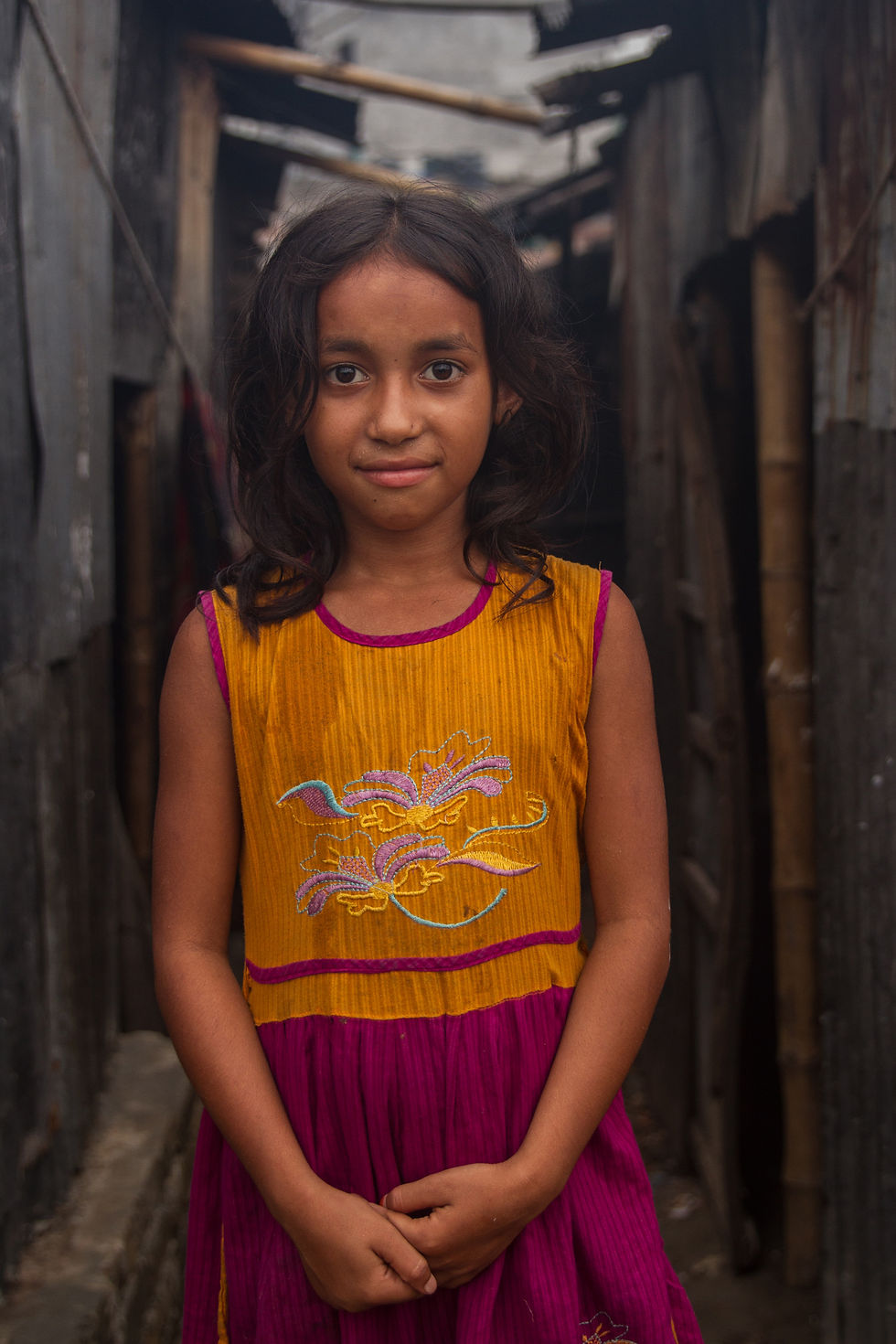
To keep the story ethical, train yourself to photograph dignity first. If the scene involves hardship, show agency and environment, not just facial expressions of struggle. If the scene involves children, be extra careful: distance, context, and consent matter. If the scene involves someone who might be endangered by being identified, protect them through framing choices. Documentary street work is not a game of “how close can I get.” It’s a practice of “how honest can I be without harming anyone.” That is why many serious documentary storytellers are comfortable stepping back, using environment, reflections, silhouettes, or partial frames to preserve privacy while still communicating truth.
Finally, write as you shoot—even if it’s just notes on your phone. Record the date, location, and the reason the moment mattered. These notes become your captions later, and captions can make or break documentary credibility. When you pair Street Photography Documentary images with accurate, respectful context, the work becomes more than aesthetic. It becomes a reliable record of real life.
Editing Like a Documentarian: Sequencing, Captions, and Narrative Clarity
Editing is where Street Photography Documentary becomes “documentary” rather than “a day of street photos.” After a shoot, your first job is to separate energy from meaning. The image that felt exciting in the moment might not serve the story. Look for photographs that add information: Where are we? What is happening repeatedly? What is the emotional atmosphere? Who are the people, and what roles do they play in the environment? Then build a sequence that guides the viewer gently. Avoid stacking similar frames. Instead, alternate wide, medium, and detail images to control pace—like a well-edited film scene. If you also work as a videographer, you already understand this rhythm: you know how an establishing shot sets orientation, how a close-up creates intimacy, and how a cutaway gives breathing room. Apply the same logic to stills, and your street documentary series will feel intentional and cinematic without being staged.
Captioning and publishing are also part of the edit. Many street images become unethical only after they are posted with careless text. A mocking caption can turn a neutral scene into exploitation. A vague caption can invite viewers to invent stereotypes. A responsible documentary caption doesn’t need to explain everything, but it should avoid harm. If you can’t ethically describe a scene without guessing about a stranger’s life, consider reframing the story around place rather than identity. You can describe what you witnessed—time, weather, location, activity—without claiming you know someone’s personal story. This is how contemporary documentary practice stays honest in public spaces.
When your edit is finished, test it with one question: Does this series respect its subjects and respect the viewer? Respecting the subject means portraying people as human beings rather than symbols. Respecting the viewer means giving enough context to understand the narrative without manipulation. This is where Street Photography Documentary stands out from casual street shooting. It is not only about spontaneity; it is about responsibility and cohesion. And when those two elements are present, your work becomes something rare in the modern visual world: a set of images that feels real, fair, and unforgettable.
Why Street Photography Documentary Matters More in 2026
In 2026, Street Photography Documentary is more than a genre—it is a response to how quickly truth can be blurred online. The street is one of the few spaces where the world still reveals itself without filters: people in motion, public behavior shaped by rules and architecture, communities negotiating space, and the quiet tension between privacy and visibility. Documentary street storytelling preserves these realities as a visual record, but it also trains audiences to look more carefully. A strong series teaches viewers how to read a city: what work looks like, what waiting looks like, what belonging looks like, what inequality looks like—without turning any of these into spectacle. That is why this approach is increasingly valuable for editorial storytelling, cultural institutions, NGOs, and ethical brands. When audiences doubt what they see, authenticity becomes a competitive advantage, and documentary street work is one of the most credible forms of authenticity available.
To develop your own practice in Street Photography Documentary, focus on three pillars: consistency, clarity, and care. Consistency means you return to a theme and build a body of work, not a scattered collection. Clarity means your images communicate environment and context, not just faces. Care means your choices protect dignity, especially in sensitive scenes. If you want a practical checklist, use this after every shoot: Did I include establishing frames? Do I have sequences rather than singles? Are there details that show culture and place? Did I avoid invasive moments? Did I capture agency, not only struggle? Can I caption truthfully without guessing? If you can answer yes to most of these, your work is moving from casual street photography into documentary storytelling.
It also helps to create a simple project statement—one paragraph that explains what you are documenting and why. This doesn’t need to be political. It can be poetic, cultural, or human-centered. What matters is intention. Intention shapes your editing, and your editing shapes how people interpret the world you photographed. In Street Photography Documentary, the camera is not just a device; it is a responsibility. When you treat it that way, your photographs become more than attractive images. They become evidence of lived experience—real life in every frame, offered with honesty and respect.
The Final Promise: Truth, Trust, and Real Life in Every Frame
Ultimately, the power of Street Photography Documentary comes from its ability to find meaning in the ordinary. It reminds us that history is not only made in official events; it is made in everyday routines, public gestures, and small human decisions that repeat until they become culture. A great documentary street photographer doesn’t need perfect weather or dramatic scenes. They need awareness: the patience to watch, the humility to step back, and the courage to frame reality without turning it into performance. This is why the best work in this genre often feels timeless. Years later, those images will still communicate something true—about people, cities, and the era that shaped them.
If you are commissioning Street Photography Documentary—whether for editorial, NGO impact, or brand storytelling—choose photographers who can show a coherent series, not just highlights. Look for evidence of ethical decision-making, not only sharpness and color. Ask about process: how they approach public spaces, how they handle sensitive scenes, and how they protect subjects when images will be published widely. Also, ask how they deliver narratives: do they provide sequences designed for web, report layouts, and social storytelling? A contemporary documentary storyteller should understand that distribution changes meaning, and they should help you keep the story honest across every platform.
For photographers building their own portfolios, the path is similar: shoot with intention, edit with discipline, and publish with respect. Let your work speak through continuity. A single “viral” image can be exciting, but a consistent documentary street series builds something deeper: trust. In the long run, trust is what makes images last—trust in the photographer’s eye, trust in the fairness of the story, and trust that real people were treated as real people. That is the promise of Street Photography Documentary: not perfection, but truth—captured carefully, and shared responsibly.
Turn your goals into real achievements with our tailored services – request the service now.
FAQ- Street Photography Documentary
Comments