Expert Freelance Product Photographer Near Me in Dubai
- Mar 25
- 11 min read

When you search for a freelance product photographer near me in Dubai, you are not simply looking for beautiful photos. You are looking for images that understand your product, persuade your customer, and turn browsing into buying. Today, smart product photography is not a visual luxury—it is a real sales tool that builds trust and gives your brand a stronger presence in a crowded market.
Benefits of a freelance product photographer near me in Dubai
You search “freelance product photographer near me” when the polite solutions have already failed you. The catalog looks tidy, yet it does not sell. The website loads, the ads run, the packaging is decent, and still the product sits there on the screen like a guest who never learned how to speak. I have seen that silence ruins good brands. Not weak brands. Good ones. The problem is often not the item at all, but the visual translation. A freelance product photographer in Dubai can be powerful for one simple reason: you are usually dealing with the eye itself, not a padded chain of account managers, coordinators, and diluted decisions. That closeness matters. You explain the product once. You discuss the platform once. You decide whether the job needs clean e-commerce frames, styled lifestyle images, luxury detail shots, or sharper concept work—and the person shaping the result is already listening. The stronger freelance offerings in Dubai emphasize exactly this mix of specialization and flexibility: e-commerce images for web stores, lifestyle scenes for relatability, high-end lighting for premium goods, creative concepts for brand distinction, and editing that finishes the image rather than embalms it. Freelancers also tend to move with less ceremonial drag. Faster communication. Tighter feedback loops. More room to adapt when the brief changes halfway through because your candle suddenly needs to look less “giftable” and more “architectural.” That is not a small advantage in the UAE market, where timelines shrink without warning and visual standards remain punishingly high. Cheap photography costs once. Weak photography keeps billing you in missed trust.
Benefits of Freelance Product Photographers for SMEs in Dubai
For SMEs in Dubai, the choice becomes even sharper. You are not shopping for spectacle; you are protecting margin. A large studio can be useful, yes, though smaller businesses often do not need the full machinery every time they photograph a serum bottle, a pastry box, a leather accessory, or a new line of packaged goods. What they need is discernment. They need someone who understands that a marketplace image is not the same as a social media visual, that a Noon or Amazon listing demands ruthless clarity, while a brand campaign asks for texture, mood, and appetite. The practical guidance surfacing across Dubai product-photography content keeps returning to the same truth: brands selling online usually need both worlds—packshots for compliance and clean selling, lifestyle or creative imagery for memory, desire, and brand voice. Interactive formats and better image quality can improve engagement and even reduce returns, which matters far more to a growing SME than a dramatic mood board that never reaches conversion. And freelancers are often well-positioned here because they can tailor the scope with less waste: a lighter production for routine catalog work, a more sculpted approach for hero images, post-production only where it actually earns its keep. That flexibility is gold for smaller UAE businesses trying to look serious without spending like a multinational. I have always believed that visual work should fit the commercial temperature of the brand. Not every product needs a symphony. Some need a violin played well. The best freelance product photographers understand that instinctively, and your budget feels the difference before your accountant can explain it.
Hybrid Approach: Freelancers + Studios for Product Photography
People love false choices. Freelancer or studio. Fast or polished. Affordable or serious. Dubai is full of this thin thinking. I do not buy it. Often, the strongest solution is a hybrid one: a freelance product photographer near me who brings the eye, the agility, and the direct conversation, then pulls in studio infrastructure only when the product or scale demands it. That is where the work becomes intelligent. A startup with ten SKUs does not need to march into production like a perfume empire preparing a global launch. Nor should a luxury line trust every high-end visual to a stripped-down solo setup if the shoot requires advanced rigs, larger sets, or higher-volume execution. The useful question is not “freelancer or studio?” It is “What does this product ask for today?” White-background e-commerce images? A freelancer may move faster and think more clearly. Large-scale catalog day with multiple lighting stations? A studio backbone can save the shoot from chaos. Stylized hero images with complex reflections, suspended objects, or multi-step post-production? A hybrid model often wins because you keep the brain of the freelance photographer while borrowing the muscle of a larger setup. The Dubai product-photography market itself reflects this range: big studios, boutique teams, and freelancers all competing, with freelancers often offering budget-friendlier per-image structures while studios handle broader packages, higher-output setups, and specialized options like 360 spins. The wise brand owner stops worshipping labels and starts matching tools to need. Sometimes you need a scalpel. Sometimes a workshop. Trouble begins when you pay for one and pretend it is the other.
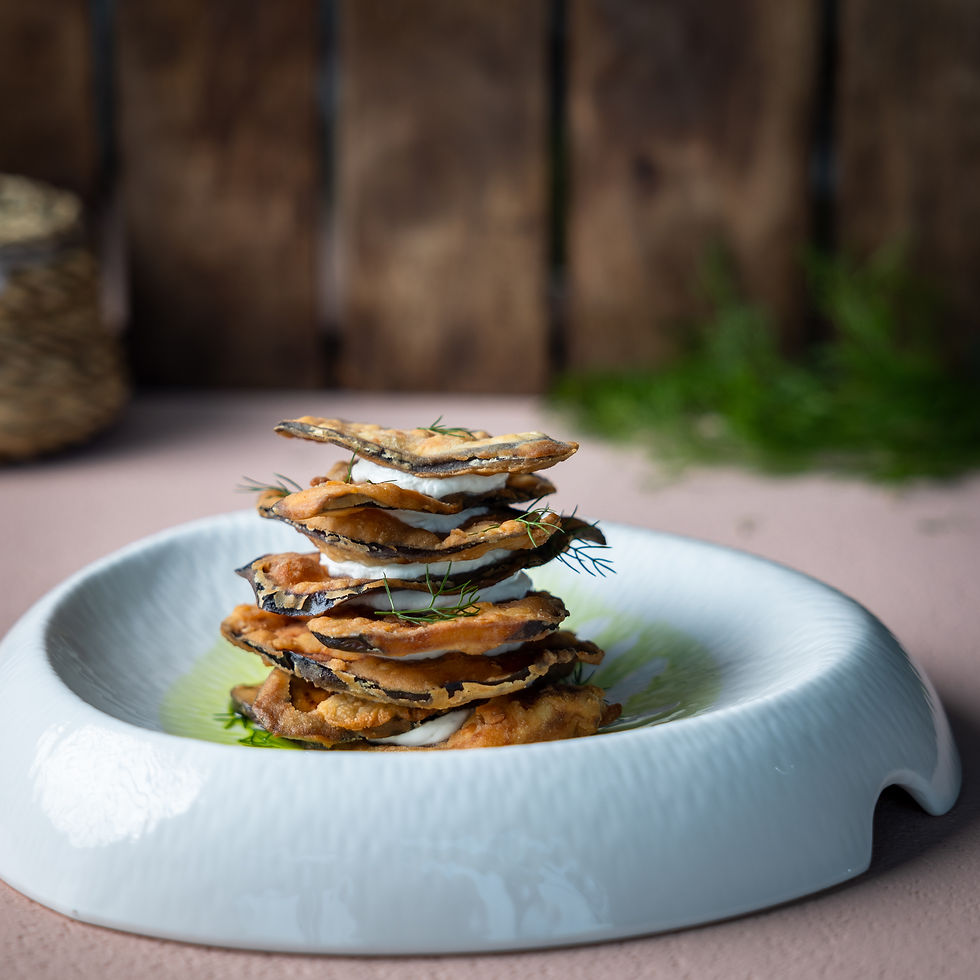
Specialized Product Photography Services
This is where amateurs betray themselves: they speak about “product photography” as if it were one obedient creature. It is not. It is a whole menagerie. A luxury watch resists the light like a stubborn prince. A cosmetic bottle can turn vulgar in seconds if the reflections grow crude. Food packaging dies when the frame loses appetite. Jewelry is practically a duel with glare. And fashion accessories—bags, belts, shoes, wallets—need shape, shadow, and enough silence around them to feel worth the price. The better freelance photographers in Dubai know this, which is why their service menus split the discipline into specializations instead of throwing everything into one cheerful bucket. You see clear distinctions between e-commerce product photography, lifestyle product photography, high-end product shoots, creative product photography, and post-production and image editing, because each one answers a different commercial problem. Clean e-commerce images sell clarity. Lifestyle images sell context. High-end shoots defend luxury. Creative concepts give memory to the brand. Editing polishes the argument after the shutter has done its work. Current Dubai guides on product photography keep returning to the same practical truth: online sellers usually need both packshots and lifestyle work, and sometimes newer interactive formats such as 360° imagery, especially for detail-sensitive categories, because these can lift engagement and help reduce buyer hesitation. That does not mean every brand needs every service. Heaven spare us from that kind of spending. It means your photographer should know which visual weapon fits which battlefield. Otherwise, you are not commissioning a strategy. You are merely collecting images and hoping one of them learns how to sell.
E-commerce Product Photography
You can usually tell when an e-commerce image was made by someone who understands online selling and when it was made by someone who merely enjoys cameras. The first kind thinks about friction. The second thinks about flair. I prefer the first. When you hire a freelance product photographer near me in Dubai for e-commerce work, what you really need is not glamour in bulk, but discipline in sequence: the hero image that clarifies, the side angle that reassures, the close-up that quiets doubt, the scale reference that prevents disappointment, and the supporting lifestyle frame that rescues the item from flat commercial anonymity. This is not romantic work. It is exacting work. And it rewards photographers whose eyes were trained to notice meaning inside detail. That is why a background like Walaa Alshaer’s becomes unexpectedly relevant even in product photography. Her About page does not describe a career built on surface prettiness; it describes documentary photography, videography, graphic design, and arts teaching, shaped through long-term multimedia projects with international NGOs across Africa and Asia since 2013. That kind of formation breeds patience, narrative instinct, and a refusal to treat the frame as mere decoration. In e-commerce, those traits matter because online buyers inspect products the way cautious people inspect promises. They look for inconsistency. They sniff out exaggeration. A photographer with documentary discipline knows how to make an object look persuasive without bleaching it into fiction. That balance is the difference between an image that attracts curiosity and one that earns trust. Dubai’s digital shelves are crowded. Trust is the rarer commodity.
Creative Product Photography
Then comes the dangerous territory: creative product photography. Dangerous because many brands confuse creativity with clutter. They pile props around a simple product as though chaos were a shortcut to memorability. It is not. It is camouflage. True creative work does something more difficult. It keeps the product at the center while building a mood, a tension, or a visual metaphor that makes the brand harder to forget. That requires taste. Real taste. And taste is usually formed by work far beyond studio tables and rented backdrops. When I read that Walaa’s visual practice has contributed to stories carried by NPR, The Guardian, and The Los Angeles Review of Books, while also providing arts and culture coverage for AFP, I do not read that as a list of names to impress the weak-hearted. I read it as evidence of editorial pressure, of trained selection, of knowing what deserves attention inside a crowded visual field. Add to that her role as an official in-house documentarian for COP28 UAE and Expo 2020 Dubai, and you begin to see why creative product photography in the right hands can feel composed rather than overcooked. A premium perfume bottle, a piece of artisan packaging, a niche candle, a design-led accessory—these do not need fireworks. They need intelligence in the frame. A slight shadow. A disciplined reflection. A background with intent. A concept that does not strangle the object it is meant to elevate. Creative photography, done badly, is self-indulgence. Done well, it gives the product a memory trace inside the buyer’s mind. And that, in commerce, is no small magic.

Lifestyle Product Photography
A product on white has clarity. A product in life has temptation. That is the argument for lifestyle product photography, and it is stronger in Dubai than many sellers admit. People here do not buy objects in isolation; they buy atmosphere, aspiration, and a version of themselves already living with the thing. A candle is not wax in a glass. It is a ritual. A handbag is not leather and metal. It is posture. A coffee bag is not packaging. It is morning, kitchen light, a private ceremony before the day hardens. That is why lifestyle photography matters. It drags the product out of catalog anonymity and places it where desire can breathe. Yet this style is easy to ruin. Too much styling, and the item drowns in its own entourage. Too little, and the image collapses back into ordinary commerce. The photographer must know how to stage use without faking life into plastic theater. This is where I value a background shaped by human stories rather than endless table-top repetition. Walaa Alshaer’s work, as described on her About page, is rooted in portraying life stories and interior lives, with long-term documentary and multimedia work across communities in Uganda, Bangladesh, Türkiye, and India. That tells me she understands context not as decoration, but as meaning. In lifestyle product photography, that instinct is gold. You are not merely placing a bottle beside a towel or a watch near a notebook. You are building a believable world around an object without letting that world steal the scene. Done well, the frame feels lived in, not staged by panic. And the buyer senses that calm immediately. A good lifestyle image does not shout, “Look at this product.” It murmurs something much more persuasive: “This already belongs in your life.”
Post-Production and Image Editing
Then comes the part people either romanticize or abuse: post-production and image editing. Some brand owners treat editing as rescue, which is a dangerous delusion. Others treat it as sorcery, which is worse. Editing should not be a cover-up for lazy shooting, nor should it become a vanity filter laid over the product until reality files a complaint. It should refine the argument. That is all. Dust removed. Color corrected. Packaging lines cleaned. Reflections disciplined. Shadows balanced. Texture preserved. The better freelance photographers in Dubai describe post-production in practical terms—retouching, color correction, polishing the final visual so it is ready for e-commerce, campaigns, and marketing use. That sounds modest, as it should. Editing is strongest when it knows its place. A luxury product may need meticulous retouching, yes. A fast-moving online catalog may need cleaner batch consistency. A high-end hero image may require more sculpting in the highlights and deeper tonal control. Still, if the editing starts inventing a product that does not exist, you are no longer serving the brand. You are laying a trap for returns, disappointment, and that quiet corrosion of trust which ruins businesses more efficiently than one bad quarter ever could. What persuades me in a photographer shaped by documentary discipline, editorial judgment, and institutional work such as COP28 UAE and Expo 2020 Dubai, is precisely this sense of ethical control: knowing how far to push an image and where to stop. That border matters. A product should emerge from editing more articulate, not more dishonest. And when the retouch is right, the buyer never thinks about retouching at all. They simply feel that the object is clear, considered, and strangely easy to want.
Turn your goals into real achievements with our tailored services – request the service now.
High-End Product Shoots
Luxury is where weak photographers get exposed. They imagine that a high-end product shoot means darker shadows, glossier surfaces, a bit of reflective drama, and a background expensive enough to feel smug. That is not a luxury. That is a costume. Real premium photography behaves differently. It notices restraint. It understands that a fine object does not need to be shouted into the frame like a salesman in a panic. It needs room. Precision. A certain visual hush. When you photograph a perfume bottle, a watch, a plated dessert, a leather accessory, or a sculptural piece of packaging at the higher end of the market, every detail starts testifying against you. The dust you thought nobody would see. The highlight that slips across the metal like a careless lie.
The angle that makes a refined object look merely decorative. This is why high-end product photography in Dubai cannot rely on enthusiasm alone. It requires lighting discipline, styling intelligence, and enough taste to know when to stop before the image becomes over-finished and emotionally vacant. The practical guidance coming out of Dubai’s product-photography market points in the same direction: luxury items demand precision lighting, stronger styling decisions, and post-production that refines craftsmanship rather than burying it. Premium shoots often cost more because they are slower, fussier, and less forgiving—sometimes reaching multi-thousand-dirham setups once stylists, models, or deeper post-production enter the equation. That sounds expensive until you compare it with the cost of making something valuable look common. Then it starts to look cheap. In luxury, the viewer is not only judging the product. They are judging whether your brand has the manners to present it properly.
Why choose a freelance product photographer near me in Dubai?
So why choose a freelance product photographer near me in Dubai at all, when studios keep waving bigger lights and larger teams at you? Because many brands do not need more machinery. They need to see more. A strong freelancer often gives you the one thing large setups sometimes dilute: proximity to judgment. You speak directly to the person composing the frame, weighing the mood, reading the product, deciding whether this image should sell clarity, appetite, luxury, or usefulness. That directness can save time, preserve the budget, and prevent the brief from being flattened by too many hands translating it badly. Dubai’s own photography landscape reflects this balance—freelancers are often prized for personalized service, flexible packages, and local market fluency, while broader studio setups remain useful when scale or technical complexity demands them. The wiser brand owner knows when intimacy is the advantage. I would choose a freelance photographer when I need responsiveness, sharper creative dialogue, a more tailored scope, and a partner who can move between e-commerce discipline, lifestyle storytelling, and selective high-end treatment without dragging the project through unnecessary ceremony. Not every product needs a parade. Some need a decisive eye and a steady hand. That is usually where freelancers shine. And when the photographer also understands how online buyers inspect images—how they hesitate, what they mistrust, where they look for proof—the work stops being “content” and becomes commerce with manners. That is the difference. Your product does not need admiration alone. It needs advocacy in visual form. The right freelance photographer gives it exactly that, then steps back before ego ruins the shot.
Comments