Documentary Portrait Photography: Real Faces, Real Stories
- Jan 29
- 13 min read

Why Documentary Portrait Photography Matters Today
Documentary portrait photography is where portraits stop feeling like “sessions” and start feeling like chapters of real life. Instead of directing someone into a perfect pose, you observe how they naturally inhabit their world—how they stand in a doorway, how they hold a tool, how they lean toward a friend, or how their expression changes when the room goes quiet. The face matters, but so does everything around it: the street sound outside a window, the texture of a workplace wall, the family photos on a shelf, the uniform, the kitchen light, the hands that show years of work. This is why documentary portraits feel believable. They don’t only show what someone looks like; they hint at what their life feels like. A strong documentary portrait respects the subject’s dignity, avoids turning people into symbols, and gives the viewer enough context to understand the moment without guessing. That combination—emotion plus context—creates images that last beyond trends. And because audiences are increasingly skeptical of “perfect” visuals, documentary portrait photography has become a powerful way to build trust for individuals, communities, NGOs, and even ethical brands who want authentic storytelling. The best documentary portrait photographers don’t chase drama; they chase meaning. They look for micro-gestures, real environments, and honest light. They also think in sequences: an establishing frame, a portrait moment, a detail that reveals culture, and a closing image that leaves a human aftertaste. When you approach portraits this way, “real faces, real stories” stops being a slogan and becomes a method—one that protects people while still creating work that feels intimate, cinematic, and true.
Before You Shoot: The Documentary Portrait Mindset and Workflow
The craft of documentary portrait photography begins before the camera comes out. Start with a simple story goal: Who is this person, and what truth should a viewer understand in ten seconds? That goal shapes everything—location, time of day, distance, and the moments you choose to wait for. A short pre-chat helps a lot: ask what the subject cares about, what they want to be remembered for, and what boundaries must be respected. Then arrive early, watch the light, and let the person settle into their natural rhythm. Technically, documentary portrait photography is about readiness, not complexity. Use settings that let you respond quickly to expression changes: a shutter speed that freezes subtle gestures, an aperture that keeps enough environment readable, and a focal length that matches your ethics (close enough for emotion, far enough for dignity). Work with available light to keep the atmosphere honest, and use gentle augmentation only if it improves skin tones without turning the scene into a studio. Composition is your storytelling language: include context when it protects truth, simplify when it protects emotion. If the scene is sensitive, step back, use reflections, silhouettes, or partial frames, and never force a moment that feels uncomfortable. Finally, edit like a storyteller: choose images that add information, not duplicates. Pair a strong face with a wider environmental frame, then add details that support the narrative. A clean sequence—place, person, proof, feeling—turns a good portrait into a real story the viewer can trust.
Lifestyle vs Documentary Portraits: The Key Differences That Matter
Many people confuse documentary portrait photography with lifestyle portraits, but the difference is in intention and accountability. A lifestyle portrait can be candid and beautiful, yet it often revolves around aesthetic direction: “stand here,” “look there,” “walk again.” Documentary portrait photography is built on observation first. You are not manufacturing a mood; you are discovering it. The photographer’s job is to notice what already communicates character—how someone moves through a room, how they touch familiar objects, and how their expression shifts when they are thinking rather than performing. Because of that, the story is not only on the surface; it is also in the environment, the routine, and the relationships that surround the subject.
To shoot this way, stop thinking in single images and start thinking in scenes. A documentary portrait story can include an environmental portrait that introduces place, a closer frame that holds expression, a detail that reveals culture or work, and a connecting moment that shows a relationship. When these frames are sequenced together, the viewer understands the subject without heavy explanation. You can build narrative movement—arrival, preparation, action, pause, and the quiet after—so the series feels complete. This structure is what turns documentary portrait photography into storytelling that can live as an essay or a published feature.
Ethically, the approach demands care with interpretation. A portrait cannot prove someone’s entire life, so avoid edits or captions that push viewers toward stereotypes. Anchor the story in what you actually witnessed: the setting, the action, the time, and the visible facts in front of you. If you feel tempted to overstate, add clarity through a wider frame, a neutral caption, or an extra context image that corrects assumptions. That discipline separates documentary portrait photography from simple candid shooting, and it helps your work feel consistently truthful, respectful, and lasting.
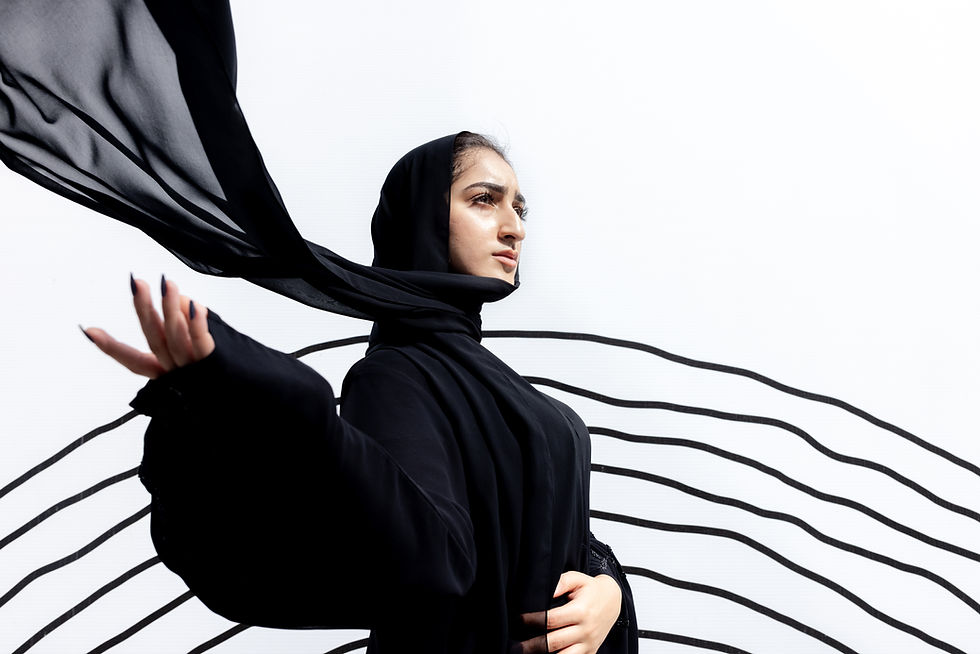
A Repeatable Process for Strong Documentary-Style Portrait Sessions
A practical workflow helps you deliver documentary portrait photography consistently, even when time is limited. Start with a three-layer plan before the shoot: (1) the person, (2) the environment, and (3) the human evidence—objects, gestures, or interactions that support the story. Choose one primary location that matters to the subject: a studio, a kitchen, a workshop, a street corner, or a classroom. Arrive early and photograph the space empty, then as it starts to fill with life. Those establishing frames become your context.
Next, create comfort without turning the session into posing. Use simple prompts instead of strict directions: “show me how you start,” “walk me through your routine,” “where do you usually sit,” “what do you reach for first.” Prompts keep movement authentic while giving you predictable beats to anticipate. Work in short bursts, then pause. Often, the best documentary portrait happens right after the prompt, when the subject forgets the camera and returns to their natural rhythm.
During shooting, prioritize light that matches the story. Soft window light can feel intimate; harder outdoor light can feel direct and energetic. Keep backgrounds readable so the environment adds information, but avoid clutter that competes with the face. Photograph hands frequently—hands reveal labor, care, age, and personality. Capture micro-interactions too: a glance toward a colleague, a laugh that breaks tension, a quiet breath before speaking. These moments make documentary portrait photography feel alive, and they give you transitions for a cohesive edit.
Finally, edit with a narrative checklist: Does the set show place? Does it show presence, not only appearance? Do the details add meaning? Is the story respectful and accurate? A tight sequence of 12–20 images, ordered thoughtfully, can communicate more than scattered portraits and strengthen client trust. It keeps your portfolio consistent and improves conversions on service pages.
Purpose-Driven Portraits: Storytelling Through Human-Centered Experience
The strongest documentary portrait photography often comes from photographers who have trained their eye through long-term, real-world storytelling—especially work that involves communities, impact reporting, and human-centered narratives. When you spend years producing multimedia projects for international NGOs, you learn that a portrait is never “just a face.” It is a responsibility. The story must feel truthful to the subject, useful to the client’s mission, and understandable to an audience that doesn’t share the same context. That mindset makes documentary portraiture deeper: you look beyond flattering angles and search for the honest markers of identity—how someone stands in their own space, the objects that support their daily work, and the subtle emotions that appear when they feel seen rather than directed. Over time, this practice builds a portrait style that is not only beautiful but credible.
Documentary portraits also become more meaningful when the photographer is attentive to the psychological side of social and environmental issues. In many parts of the world, challenges are not only visible in infrastructure or landscapes; they are carried in posture, silence, resilience, and relationships. Documentary portrait photography can communicate this gently, without turning people into symbols of suffering. A responsible photographer looks for dignity first: agency, strength, humor, care, and the ordinary rituals that prove life continues. Even when the subject matter is heavy, the portrait can still be respectful and human. This approach is particularly valuable for NGOs, cultural institutions, and editorial storytelling because it protects trust. Viewers are far more likely to engage with a portrait that feels fair than one that feels sensational.
This level of practice is also shaped by self-directed photo series—projects created not because they are commissioned, but because the photographer is committed to a subject. Long-term series about real communities, such as orphan communities in Uganda, displaced communities in Bangladesh and Türkiye, or coalfield communities in India, teach the discipline of staying with a story. They train you to return, listen, and photograph change over time. In documentary portrait photography, that commitment shows up in the images: the portraits feel calmer, more intimate, and more honest, because they were built on trust rather than extraction. The result is the kind of portrait work that doesn’t just look authentic—it earns authenticity through process.
Credibility and Craft: When Trust, Publication, and Skillsets Align
Professional trust is another signal that a photographer can deliver documentary portrait photography at a high level, especially in high-stakes environments. Being selected as an official in-house documentarian for major global events—such as COP28 UAE or Expo 2020 Dubai—suggests more than technical competence. It suggests reliability under pressure, the ability to work within protocols, and the skill to produce human-centered images in complex spaces. Documentary portrait photography is often made in real environments with constraints: time limits, crowds, tight schedules, security boundaries, and rapidly changing light. A photographer who can create respectful, powerful portraits inside these conditions has developed a practical storytelling discipline that clients value.
Multi-disciplinary skills also strengthen documentary portrait work in modern communication. When the photographer is also a videographer and graphic designer, the portrait story can live across platforms without losing coherence. A still portrait can be paired with a short video clip that adds voice, movement, and atmosphere. A visual identity can be designed to match a report or exhibition, ensuring the story stays consistent from web to print. This matters because documentary portrait photography is frequently used in campaigns, impact reports, and editorial packages—not just in galleries. A photographer who understands design and narrative flow can deliver assets that are both emotionally true and strategically usable.
Finally, publication and editorial recognition reinforce credibility. When a photographer’s work has been featured by outlets such as NPR, The Guardian, and respected arts publications—and when they contribute to ongoing arts and culture coverage—it signals that the portraits meet professional standards of storytelling. Editors return to photographers who can balance beauty with truth, and that balance is exactly what documentary portrait photography demands. When your portraits carry that level of trust, audiences stay longer, clients feel safer, and the stories you tell have a better chance of doing what they should do: honor real faces by letting their real stories be seen.

Field Method: Capturing Context, Presence, and Human Evidence
To create documentary portrait photography that feels cohesive and publish-ready, you need a repeatable field method. Start with “context first.” Before you raise the camera toward the person, photograph their environment: the doorway, the street outside, the light sources, the textures, and the objects that will later support the story. These frames are not filler—they are proof. They tell the viewer where the person belongs and why the portrait matters. Then move into “presence.” Presence is not posing; it is capturing how someone naturally occupies space. Watch for the micro-moments that reveal personality: a pause while thinking, a breath before speaking, a glance toward something meaningful, a hand resting where it always rests. Your role is to be alert, quiet, and respectful enough that the subject can relax into their own reality.
Use prompts that encourage authenticity without turning the portrait into a performance. Instead of “smile” or “stand like this,” try: “show me something you care about,” “walk me through your routine,” “where do you spend most of your day,” or “what do you want people to understand about your work?” These prompts generate real expression because they connect the subject to meaning. The face changes when someone speaks about something true. That change is the heart of documentary portrait photography. It’s also where your ethical responsibility is highest: if a moment becomes emotionally vulnerable, you must decide whether photographing it is respectful. Sometimes the best decision is to lower the camera and stay present as a human. That trust often returns as stronger images later.
Next, capture “human evidence.” Evidence can be hands at work, objects of identity, interactions with colleagues or family, and details that signal culture—clothing, tools, signage, or rituals. These details protect your story from being reduced to a single expression. They also improve SEO and editorial value because they support richer captions and stronger narrative structure. A viewer can read a portrait more accurately when the details are visible. Finally, shoot a closing frame that leaves a feeling: the person stepping away, looking out a window, returning to work, or simply existing in quiet. This ending image helps your series feel complete, like a story rather than a photoshoot.
Editing with Integrity: Sequencing, Retouching, and Captions
The edit is where documentary portrait photography becomes unmistakable. Think like an editor building a short visual essay. Start by selecting images that serve different storytelling jobs: one establishing image (place), one presence portrait (emotion), two to four context frames (environment and routine), two to four detail frames (hands, objects, textures), and one closing image (resolution). This structure makes your work easier to read and easier to publish. It also makes it more valuable for clients who need story-led visuals for web pages, campaigns, and reports. Your final set should feel coherent even if a viewer sees it quickly on a phone—because the sequence itself guides understanding.
Color grading and retouching should support truth. Documentary portrait photography doesn’t mean you avoid polishing; it means you avoid changing reality. Clean up distractions that pull attention away from the subject, but don’t erase the signs of life that make the portrait honest: wrinkles, scars, dust, worn fabric, or marks of labor. Those details are not imperfections. They are narrative evidence. Over-retouching can make a documentary portrait feel like an advertisement—and that breaks trust. If you do use artistic grading, keep it consistent across the series so it feels like a coherent story world rather than a random mix of looks.
Captions and context deserve attention, too. The most ethical documentary portraits can be misunderstood if captions are careless. Avoid captions that diagnose someone’s life or assume their emotions. Instead, anchor the viewer with what you know: name (if permitted), location, and a simple fact about the setting or activity. If the portrait supports an NGO or institutional story, clarify the purpose without turning the subject into a symbol. This respects both the person and the viewer. When your captions match your images in honesty, the story becomes stronger—and your work becomes safer to share widely.
In a time when audiences doubt what they see, documentary portrait photography remains one of the most trustworthy forms of visual communication. But trust is built in the edit as much as in the shoot. Choose fairness over spectacle, clarity over exaggeration, and empathy over performance. When you do, your portraits won’t just look real. They will feel real—and that is exactly why they endure.
Why Documentary Portrait Photography Matters More in 2026
In 2026, documentary portrait photography matters more than ever because it stands for something audiences are actively searching for: believable humanity. People scroll past perfect faces and staged lifestyles faster than ever, not because they hate beauty, but because they can sense when an image is designed to persuade rather than to reveal. Documentary portraiture reverses that dynamic. It doesn’t ask the viewer to admire; it invites the viewer to understand. The portrait becomes a meeting point between subject and audience—built on context, honesty, and respect. This is exactly why documentary portraits work so well for editorial features, cultural projects, and impact-driven organizations. They feel grounded. They feel like someone was seen, not used.
If you want to measure the strength of documentary portrait photography, look for three signals: narrative continuity, ethical intention, and emotional accuracy. Narrative continuity means you can see a “story world” across the series—shared environments, consistent pacing, and details that connect frames. Ethical intention means the work is built on consent, dignity, and fairness. Emotional accuracy means the portraits don’t force drama; they allow emotion to exist naturally, often through subtle expression and real context. This is why documentary portrait photography is often more moving than studio portraiture. The goal isn’t perfection. The goal is presence—capturing the person as they are, in the places that shape them.
For clients, documentary portraits can also become a strategic advantage. When a website or campaign uses portraits that feel honest, visitors stay longer. They feel safer. They believe the message more readily because the visuals match reality. That improves engagement, strengthens brand trust, and supports SEO indirectly through better user behavior signals. Documentary portrait photography can also be repurposed easily: the same story set can supply hero images for service pages, behind-the-scenes authenticity for social platforms, and a visual library for reports or press kits. When the work is built like a story rather than a photoshoot, it holds its value longer.
In the end, documentary portrait photography is not a style you “apply.” It is a practice you build through listening, patience, and responsibility. It asks you to respect the subject, respect the audience, and respect the truth of the moment. When those three align, the portrait becomes more than a picture. It becomes a real story you can trust.
The Future of Portraits: Trust, Humanity, and Lasting Connection
The future of documentary portrait photography will likely be defined by trust. As synthetic imagery grows more convincing and online narratives become more manipulative, viewers will place a higher value on work that feels verifiable and human. Documentary portraits offer that value because they are anchored in real environments, real relationships, and visible context. A portrait made in a true place—under real light, surrounded by meaningful details—carries a kind of proof that staged content cannot easily replicate. It communicates: this person exists, this moment happened, this story is rooted in reality. That is powerful in any era, and it becomes essential in an era of uncertainty.
For photographers, the way forward is clear: treat each portrait as a collaboration, not a capture. Build trust quickly through transparency, gentle prompts, and respect for boundaries. Learn to see the story in detail, not just in expressions. Edit with discipline, and avoid retouching that turns reality into fantasy. Use captions to protect meaning, not to inflate it. And when you present your work—online or in print—sequence it as a narrative so viewers can understand the person beyond a single frame. This method will not only improve your storytelling; it will also attract the kind of clients who value integrity.
For clients commissioning documentary portrait photography, choose photographers who can demonstrate ethical process, coherent narrative delivery, and sensitivity across diverse contexts. Ask to see the full series, not only highlights. Ask about consent and distribution. Ask how the photographer protects subjects in sensitive situations. These questions are not “extra.” They are the foundation of trustworthy portrait storytelling. When you hire a photographer who answers them well, you’re not only buying images—you’re building credibility.
Documentary portrait photography will always be about people. But the best work also becomes about connection: the invisible bridge between a subject’s lived experience and a viewer’s understanding. When that bridge is built with respect, it holds. And when it holds, portraits stop being content and become memory—real faces, real stories, preserved with care.
Turn your goals into real achievements with our tailored services – request the service now.
FAQ- Documentary Portrait Photography
Comments