Cultural Documentaries Photo: Stories of People & Place

Cultural Documentaries in the UAE: People & Place
Cultural Documentaries carry a unique responsibility: to translate lived experience into images that respect complexity while remaining accessible to broad audiences. When photographers speak about “stories of people and place,” they acknowledge that culture is never a backdrop; it is a system of relationships—memory, work, ritual, migration, faith, and language—continually negotiated within families, streets, and landscapes. Effective cultural storytelling makes those relationships legible without reducing them to cliché. That balance begins with intent. Define the stakes of the story, the communities involved, and the likely contexts of display—galleries, newsrooms, classrooms, or civic spaces. From there, build a method that protects dignity: consent where appropriate, context-rich captions, and editing that avoids sensationalism. Composition matters too. Wide frames show the ecology of a place; mid-shots locate people within social patterns; tight portraits reveal care, resilience, and craft. Light is ethical as well as aesthetic—use it to humanize rather than dramatize, particularly when depicting hardship. Sound practice includes transparent note-taking, a clear plan for how images will be shared back with participants, and an understanding of local language and customs. Because culture is dynamic, treat events as processes rather than singular spectacles: festivals emerge from preparation, labor, and memory; migration stories unfold across seasons; craft traditions carry the imprint of hands and tools over time. Equally important is how work circulates. Photographs that pair strong sequencing with precise metadata travel farther and remain discoverable, enabling curators, editors, and educators to contextualize them responsibly. Finally, remember that Cultural Documentaries succeed when they expand empathy without speaking over the people depicted. Ask what the pictures will enable—policy dialogue, intergenerational learning, community archiving—and design the project to serve those ends. Clarity of purpose, disciplined observation, and accountable collaboration turn a camera from a spectator’s device into a civic instrument, capable of revealing connections between personal routines and wider historical forces. In an era of fast content, this slower, relational approach is not a luxury; it is the difference between extracting attention and building understanding. For search visibility, articulate the project’s geography, languages, and themes in plain terms, so readers who look for Cultural Documentaries about specific regions can actually find them. Use descriptive alt text, measured keywords, and captions that name collaborators, locations, and dates. These small SEO steps don’t dilute artistry; they amplify accessibility, ensuring the images enter the conversations they deserve—among policy makers, historians, teachers, and families who recognize their lives reflected with care.
Research, Consent, and Multilingual Foundations
Before pressing the shutter, build a framework that keeps Cultural Documentaries grounded and accountable. Start with research that reaches beyond headlines: read local histories, speak with community organizers, and map the networks—religious, educational, labor—that shape daily life. Create a consent and participation plan that explains the purpose, potential audiences, and how participants can review materials. Set boundaries for scenes that should not be filmed, and designate a process for anonymizing sensitive identities. Because language carries culture, prepare multilingual caption fields and a glossary of place names and terms so meaning doesn’t get lost in translation. On location, work small and be observant. Establish your presence respectfully, then disappear into the cadence of the place. Photograph routines instead of exceptions: morning commutes, market exchanges, craft workshops, study circles, prayer times, and family meals. Sequence images to reveal cause and effect—who prepares, who decides, who benefits—and show the infrastructure that underpins experience: transport, water, schools, clinics, and informal economies. To avoid aestheticizing hardship, embed context through details—tools, posters, ledgers, hands—and pair them with portraits that hold eye contact without spectacle. Technical prudence supports ethics. Use redundant storage, accurate timestamps, and encrypted backups; log names and locations with care; and capture ambient audio notes to anchor memory. After fieldwork, share contact sheets or small galleries with community partners for fact-checks and optional quotes. Publish intentionally. Package the work for multiple channels—exhibitions, classrooms, municipal meetings, and online hubs—while keeping a consistent core narrative. For the web, prioritize accessibility: text alternatives for images, mobile-friendly layouts, legible type, and color contrast that supports reading. Keywords should be natural, not stuffed, and anchored in the language people use to search for Cultural Documentaries connected to their city, craft, or heritage. Finally, archive like a librarian. Create a schema that records who, what, where, when, and why, with rights information that honors contributor agency. A disciplined archive keeps photographs usable for future projects—oral histories, curriculum, and community anniversaries—and protects against misinterpretation. When done well, this approach builds trust, strengthens intergenerational conversation, and equips institutions to design better policy with lived reality in view. It turns representation into relationship and makes culture visible as a practice—something people do together, not a costume worn for tourists. As audiences encounter the work, invite feedback and corrections, and credit collaborators prominently. This humility improves accuracy, expands reach in networks, keeps Cultural Documentaries accountable to the people who shaped them—so the story travels and remains worthy.
Editing for Coherence: Sequencing, Captions, Accessibility
Editing is where Cultural Documentaries become coherent narratives rather than attractive fragments. Begin by defining the spine: a sequence of images that traces movement through time and space—arrival, orientation, labor or ritual, reflection, and return. Around that spine, place “breathing images” that slow the viewer down—quiet corners, tools at rest, architecture that holds memory—so the work feels inhabited instead of rushed. Pair wide environmental frames with mid-shots that show interaction and tight portraits that carry emotion, and check that each trio advances the same idea. Resist the temptation to stack only the most striking moments; include connective tissue that explains how and why things happen. Captions should be specific without lecturing: name people who consented to being identified, spell place names correctly, and explain objects or gestures that might be misread by distant audiences. For digital presentation, curate multiple pathways: a short, public edit for quick understanding and a deeper, chaptered version for classrooms or civic forums. Optimize discoverability without compromising dignity. Use descriptive alt text—who, what, where, when, why—so screen readers convey meaning, and keep file names consistent with your metadata schema to prevent loss across platforms. Color management matters; maintain consistent skin tones and avoid heavy grading that exoticizes or flattens reality. Sound editorial practice includes a sensitivity read by someone from the community and a final ethics pass that asks: Does this sequence dignify participants, avoid crisis voyeurism, and reflect the community’s self-understanding? For exhibitions, think beyond the wall. Add maps, oral histories, and objects that audiences can handle to ground the photographs in a material context. For web, design with mobile in mind: legible type, adequate contrast, and a pacing that works on small screens. If your Cultural Documentaries intersect with policy—housing, migration, education—prepare a version that invites stakeholders to respond: discussion prompts, data links, and clear next steps for engagement. Finally, plan how the work returns home. Organize a community screening or install a small print show in a school, library, or clinic; offer participants prints; and create a bilingual PDF for local archives. When editing honors both craft and accountability, images do more than inform—they equip people to recognize themselves as agents within living histories, and they earn a longer, more meaningful life in classrooms, media, and family albums.

Distribution Strategy: Press, Community, and Classroom
Distribution determines who gets to see Cultural Documentaries and how the story shapes public understanding. Treat outreach as a second creative phase. Build a publishing calendar that layers formats and audiences: a launch essay for context, a social series for reach, a classroom bundle for educators, and a press kit that anticipates editorial needs. The launch essay should articulate the stakes in plain language—what the project shows, whom it serves, and how readers can learn more or contribute. The social series translates the work into mobile-first sequences: five to ten frames with text-safe space for captions and bilingual summaries that respect how diaspora communities navigate multiple languages online. Educator bundles might include a slide deck, discussion questions, a glossary, and a reading list that situates the project in local history rather than treating it as an isolated spectacle. Press kits need clarity and precision: 12–18 downloadable images (web and print), credits and captions, a short bio, a location map, and contact details, all wrapped in licensing terms that protect participants and enable newsrooms to act quickly. For community channels, collaborate with local radio, religious centers, craft guilds, and youth clubs; these networks carry trust where mainstream platforms might not reach. Consider venues that honor everyday intelligence: markets, bus depots, municipal halls, and health clinics become legitimate galleries when the installation design respects foot traffic and privacy. Online, build an archive page with stable URLs, schema metadata, and search-friendly summaries that use the language people already employ to find Cultural Documentaries about their craft, city, or festival. Encourage feedback loops: a simple form for corrections, a WhatsApp number for voice notes, and office hours on site or online where people can ask questions or share context. When possible, co-author parts of the text with participants—quotes, timelines, or annotations—so authorship becomes a conversation. Measure impact beyond vanity metrics. Track where images are adopted—school curricula, council meetings, NGO trainings—and collect qualitative notes from community partners about practical changes the work enables. This feedback refines future editions and deepens accountability. Lastly, plan for longevity. Migrate the archive every few years, keep contact details current, and refresh captions as new information emerges. Distribution that is thoughtful, multilingual, and multi-platform transforms photography into civic infrastructure: it keeps stories circulating where they matter, strengthens cultural literacy, and invites people to see their worlds with patience and respect.
Documentary Rigor in Practice (2013–Present): From Field to Public
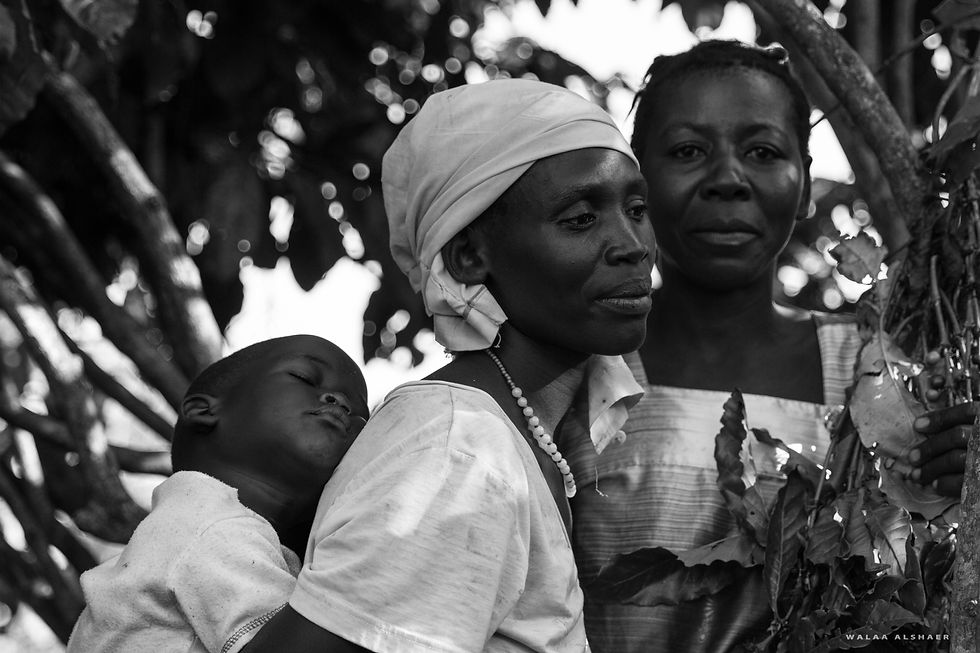
The most credible Cultural Documentaries are built on lived practice, not passing fascination, and that is the foundation of our method. Since 2013, our documentary work has unfolded across Africa and Asia, where pace, logistics, and context demand patience and rigor. In orphanage communities in Uganda, in rooms shaped by displacement across Bangladesh and Türkiye, and in Indian coalfield towns, we learned how to listen before lifting the camera, how to read small signals of permission, and how to carry history into each frame without turning people into symbols. That discipline—quiet presence, clear consent, modesty-aware angles—travels with us into every new geography. Being based in the UAE helps us steward Cultural Documentaries with regional fluency, bridging languages, customs, and expectations so participants feel seen on their own terms. Editorial validation matters because it pressures work to meet the public: publications and features with NPR, The Guardian, and the Los Angeles Review of Books sharpened our sequencing, caption craft, and sense of responsibility. Ongoing assignments with AFP reinforced speed without sensationalism, demonstrating that accuracy, dignity, and timeliness can coexist. Just as important, official in-house roles at Expo 2020 Dubai and COP28 taught us to move inside complex systems with protocol sensitivity—gaining access, working discreetly around dignitaries, and delivering on deadline without losing nuance. Our cross-training in videography and graphic design informs how images live after the shutter: we compose for pages and screens, preserve text-safe space, and maintain color discipline so portraits carry warmth without theatricality. Teaching arts and design keeps our language simple and our pedagogy generous; it helps us explain choices to collaborators unfamiliar with production so communities can co-author aims and constraints. We archive like librarians—accurate timestamps, layered metadata, encrypted backups—so that the record remains searchable for researchers, educators, and families. Above all, curiosity is our engine: we are interested in how people organize care, pass on knowledge, and maintain craft when pressures mount. Cultural Documentaries, to us, means tracing relationships between people and place with respect, clarity, and usefulness. That is why every project begins with a conversation about return—prints for homes, bilingual PDFs for schools, and community screenings that put images back where they were made. When audiences search for Cultural Documentaries that honor complexity, they are often asking for proof of this ethic. Our portfolio answers with quiet stamina, collaborative process, and photographs that stay true when viewed close, across time, and by the people who lived them.
Passion with Discipline: Human-Centered Cultural Documentaries
Passion, for us, is a disciplined tenderness—the commitment to meet Cultural Documentaries with patience, empathy, and a readiness to be changed by what we witness. It shows up in the small decisions: arriving early to learn names and rhythms; leaving room in the schedule for conversations that alter the map; writing captions with participants rather than about them; translating key terms so meaning survives beyond one language. We care about what pictures enable, not only how they look. That is why we pair image sequences with audio notes, reading lists, and classroom prompts, and why we return to sites with proofs and prints. We measure success by whether people recognize themselves with dignity, whether students find context, and whether local officials gain a clearer view of lived conditions. Achievements—press features with NPR, The Guardian, LARB; regular AFP work; trusted roles at Expo 2020 and COP28—matter most as evidence that careful storytelling can meet public timelines without sacrificing ethics. They also keep standards high: fact-checking with community partners, sensitivity reads, and an editing pass that asks whether each frame contributes to understanding or merely spectacle. Our craft choices follow the same logic. We favor natural light when it honors skin and space; when we add light, it is gentle, directional, and practical. We build sequences that breathe—environmental frames, gestures, tools, and portraits—so viewers can inhabit a world rather than scan it. Graphic design experience guides typographic breathing room and layout flow; videography helps us anticipate beats and collaborate gracefully with sound and motion teams. Teaching keeps our explanations plain: we show stakeholders how composition, contrast, and timing support meaning, and we listen when they correct our assumptions. We are meticulous about preservation because archives are acts of care: consistent filenames, layered IPTC, encrypted drives, and mirrored backups protect memory against loss and misuse. Finally, we practice humility. Cultural Documentaries are not trophies; they are agreements. We welcome corrections, publish updates, and credit collaborators prominently. When institutions or families ask for adjustments, we revisit captions and context, keeping the work alive and accountable. Passion, then, is not noise or speed; it is endurance in service of clarity and respect. It is the choice to build relationships where cameras often trespass, and the insistence that photographs return value to the people who made them possible. This is how stories of people and place earn trust, circulate wisely, and continue to teach—on walls, in classrooms, and around kitchen tables.
Systems & Safety: Technical Discipline for Cultural Documentaries
Technical discipline is what keeps Cultural Documentaries honest when circumstances shift. We build projects on systems that protect people and pictures: informed consent that is revisited as relationships deepen; modesty-aware angles that prioritise dignity; and a metadata architecture that carries accurate names, dates, and place spellings so future readers don’t lose context. Redundancy is standard—dual-card recording, mirrored backups to encrypted SSDs, and a catalogue that tracks sequences from contact sheet to final edit. Our base in the UAE helps us navigate multilingual settings with sensitivity, bridging Arabic and English descriptions and aligning captions to the vocabulary communities use for themselves. Experience inside complex operations—working in-house at Expo 2020 Dubai and COP28—taught us to move quietly around protocol, manage access ethically, and deliver under pressure without surrendering nuance. That operational calm transfers to fieldwork in markets, workshops, classrooms, and homes: we arrive early, map light, listen to pace, and build a plan that leaves room for surprise. Editorial recognition—features with NPR, The Guardian, and the Los Angeles Review of Books, alongside regular AFP assignments—has shaped our sequencing and caption craft, reminding us that clarity, restraint, and accuracy travel farther than spectacle. Because culture is embodied, we pay attention to hands, tools, textiles, and the infrastructures of everyday life: water points, transit routes, clinic waiting rooms, and the informal economies that knit neighbourhoods together. Videography training keeps us attentive to rhythm; graphic design experience guides typographic breathing room and text-safe image space, so work moves cleanly from walls to classrooms to mobile feeds. Teaching arts and design sharpens how we translate choices into plain language for collaborators new to production, turning documentation into shared authorship. After fieldwork, we share small galleries for fact-checks, gather quotes with permission, and refine captions with community input. We archive like librarians—consistent filenames, layered IPTC, rights notes—so institutions can adopt the work responsibly. Above all, we keep returning to the centre: prints for families, bilingual PDFs for schools, and community screenings that invite corrections and conversation. Cultural Documentaries are not trophies; they are civic tools. Systems make that possible: they lower risk, steady ethics, and keep attention on what matters—how people sustain care, knowledge, and belonging in the places they call home.
Applying the Method: Craft Revivals, Festivals, Health Programs
Consider how this method adapts across three Cultural Documentaries scenarios common to our region. In a neighbourhood craft revival, the task is to reveal process, lineage, and economy without turning artisans into exhibits. We begin with workshops and supply chains—dyes, looms, kilns—then trace apprenticeship lines and the marketplaces where value is negotiated. Portraits are made at eye level in natural light; details record the memory held in tools and fabrics. UAE residency helps with permits, language, and respect for modesty; our AFP-paced workflow ensures timely edits for local councils planning heritage programming. In a citywide festival shaped by migration, we map rehearsal rooms and kitchens before the public spectacle, so the final sequence shows preparation, hospitality, and intergenerational teaching—not only the parade. Protocol fluency from Expo 2020 and COP28 keeps us discreet around dignitaries and faith leaders, while a documented ingest pipeline yields same-week educator bundles—slides, glossaries, and discussion prompts—for schools. In a health clinic’s maternal-care initiative, we prioritise privacy and consent, often anonymising faces and focusing on hands, posters, charts, and the logistics of access—transport, waiting times, and the quiet labour of nurses and volunteers. Teaching experience helps us co-write captions with staff so language is precise and non-stigmatising. Across all three, the spine is consistent: research → consent → modular plan → quiet coordination → community review → structured delivery. Editorial references (NPR, The Guardian, LARB) and regular wire-service work pressure our standards outward, but the measure we value most is local adoption—when councils use images to shape policy conversations, when teachers fold sequences into class, when families pin prints at home. Graphic design practice ensures the work stays legible on small screens; videography habits anticipate beats so stills and motion don’t compete. We track impact with more than clicks: adoptions in curricula, citations in city reports, and notes from participants about what the pictures clarified or corrected. Finally, we plan for longevity—stable URLs, schema metadata, and periodic archive migrations—so Cultural Documentaries remain discoverable as languages shift and cities grow. The promise is simple: disciplined systems, editorial judgment, and human warmth, aligned to make photographs that communities recognise as true and institutions can actually use.
Sustainability & Rights: Keeping Work Useful Over Time
Sustainability in Cultural Documentaries is about creating work that remains useful—ethically, educationally, and technically—long after its first publication. Begin by defining success metrics that respect communities, not just traffic spikes: adoptions in lesson plans, citations in city reports, invitations to community forums, and tangible improvements in local services or heritage programming. Build a lightweight monitoring sheet that logs these signals alongside the usual analytics, and revisit it each quarter to guide fresh editions or clarifications. Longevity also depends on clear rights and licensing. Use plain-language agreements that describe where images will live—web archives, classrooms, exhibitions—and how contributors can request removals, updates, or new uses. Keep contact channels open via a stable email and a small “updates” page that records caption corrections, timeline changes, and new context as it emerges. Technically, think like an archivist. Export preservation masters in a non-destructive format, generate web derivatives in multiple sizes, and embed IPTC fields thoroughly: names (with consent), locations, dates, and keywords in the language people use to search for Cultural Documentaries related to their craft or city. Store a bilingual glossary that explains place names, tools, and rituals, and link it from captions so readers can orient themselves quickly. For discoverability, publish a clean landing page with schema metadata (CreativeWork/CollectionPage), descriptive URLs, and alt text that tells who/what/where/when/why without revealing sensitive details. Consider accessibility from the outset: adequate contrast, legible type, transcripts for any audio, and keyboard-friendly navigation. Sustainability is also financial and emotional. If the project invites donations or institutional support, describe precisely how funds flow—printing for families, school bundles, conservation workshops—and report results publicly so trust compounds. Within the team, schedule debriefs that address wellbeing and vicarious trauma; Cultural Documentaries often intersect with hardship, and care for practitioners sustains care for communities. Finally, plan renewals instead of finales. Cultures change; neighborhoods evolve. Revisit the work during festivals, anniversaries, or policy shifts, adding new chapters that reflect continuity and difference without overwriting earlier voices. When readers search for Cultural Documentaries that help them learn, plan, and remember, they are looking for this steadiness: projects that remain reachable, editable, and accountable, with pathways for participation. Sustainability, then, is not only about hard drives and websites—it is about building a durable relationship where pictures continue to serve people and place, returning value across years rather than moments.
A Repeatable Workflow: Brief → Fieldwork → Community Return
Turning principles into action is straightforward when you assemble a compact, repeatable workflow. Start with a one-page brief—purpose, audiences, geographies, languages, risks, and return-to-community plan—then map it to a modular field schedule that leaves time for listening. Pack light but redundantly: two bodies, a fast normal prime, a wide for context, a short tele for portrait distance, an audio recorder for notes, and plenty of labeled cards. On site, establish yourself gently; learn the day’s names and rhythms; confirm any consent boundaries; and note where photographs should not be made. Work from wide to tight, following routines rather than chasing drama, and record infrastructure that keeps life moving: transport nodes, water points, noticeboards, clinics, kitchens, and classrooms. After each session, back up twice, tag hero frames, and jot a few lines about what you learned, who to credit, and what to ask next. In edit, build a spine, add breathing images, run a sensitivity read, and check captions for specificity and fairness. Prepare three outputs: a short web sequence with alt text and mobile pacing; a chaptered educator bundle (slides, glossary, discussion prompts); and a community set—small prints or a bilingual PDF—to return within weeks. Publish with schema metadata and stable URLs so the work is discoverable to readers actively searching for Cultural Documentaries tied to your locations or themes. Invite feedback visibly—form, email, and office hours—and log corrections publicly to model accountability. When institutions approach—schools, councils, cultural centers—co-design programming that uses the images to ask practical questions: What supports already exist? What do participants want to preserve or change? Which policies could remove friction from daily life? Finally, close the loop. Share outcomes with contributors, credit collaborators prominently, and, where appropriate, invite co-authorship on future chapters. This repeatable loop—brief → research → consent → fieldwork → edit → community return → distribution → reflection—keeps the photography grounded, searchable, and genuinely helpful. It is also good SEO practice: clear language, purposeful keywords, accessible markup, and ongoing updates signal to both people and algorithms that the project is alive. Cultural Documentaries earn their place when they help readers see relationships between people and place with patience and respect. Build the system, practice the ethic, and let the work travel through homes, classrooms, and civic rooms—carrying stories that remain true to those who live them.
Turn your goals into real achievements with our tailored services – request the service now.
Comments